You Gotta See What Colombo’s Streets Are Hiding
Colombo isn’t just Sri Lanka’s bustling capital—it’s a sensory overload in the best way possible. I wandered its markets, boutiques, and side-street stalls, and honestly? I didn’t expect half the treasures I found. From handwoven batiks to spice-laced alley bazaars, shopping here isn’t just buying—it’s discovering stories. This isn’t your average mall crawl; it’s raw, real, and full of soul. Let me take you through the spots that made my suitcase heavier and my heart fuller.
First Impressions: Colombo’s Urban Pulse and Shopping Vibe
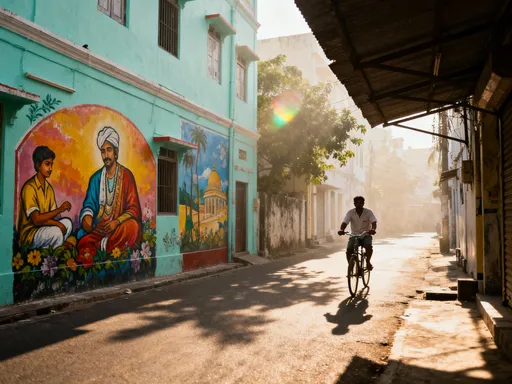
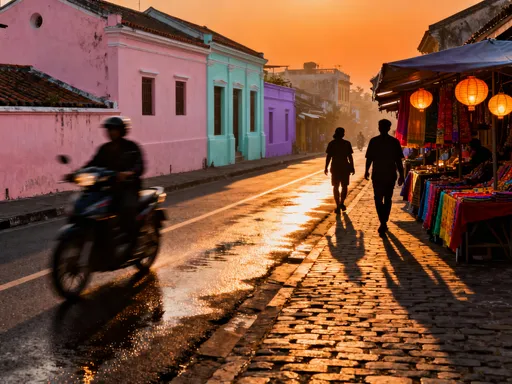
Colombo greets you with a rhythm all its own—a city where history hums beneath the surface of modern life. Colonial-era buildings with arched verandas stand shoulder to shoulder with glass-fronted towers, and between them, commerce thrives at every turn. The city’s energy pulses strongest in its shopping districts, where daily life unfolds through the exchange of goods, stories, and smiles. Whether you're strolling past flower vendors at dawn or watching shopkeepers lower bamboo shutters at dusk, Colombo reveals itself as a place where trade is not just economic—it's cultural.
At the heart of this rhythm are neighborhoods like Fort, Pettah, and Cinnamon Gardens, each offering a different flavor of urban Sri Lankan life. Fort, once the seat of British administration, now blends government offices with boutique hotels and upscale retail. Its wide boulevards and leafy sidewalks make it ideal for unhurried exploration. Pettah, just a short walk away, is Colombo’s commercial engine—a vibrant, chaotic hub where thousands stream through narrow lanes each day. Then there’s Cinnamon Gardens, a quieter, greener part of town where embassies, museums, and art galleries coexist with charming cafés and design-forward shops.
What makes Colombo’s shopping experience unique is how seamlessly tradition and modernity coexist. You can sip espresso in a restored colonial villa, then haggle over hand-stitched lace in a 100-year-old market building. This blend isn’t accidental—it reflects Sri Lanka’s long history as a crossroads of trade, culture, and craftsmanship. For the thoughtful traveler, especially one who values authenticity and connection, Colombo offers more than souvenirs. It offers meaning. Every purchase here, from a block-printed scarf to a jar of golden cinnamon, carries the imprint of a place shaped by centuries of exchange.
The city’s shopping culture also mirrors its social fabric. In Pettah, families run businesses passed down for generations. In Colombo 07, young designers are reimagining traditional techniques for a global audience. Even in modern malls, local brands hold their ground against international names. This resilience speaks to a deeper truth: Sri Lankans take pride in their crafts, their flavors, and their identity. As a visitor, recognizing this adds depth to every transaction. Shopping here isn’t passive consumption—it’s participation in a living tradition.
Pettah Bazaar: Chaos with a Purpose
If Colombo has a beating heart, it’s Pettah Bazaar. This sprawling market district isn’t just a shopping destination—it’s a way of life. Winding through its alleys feels like stepping into a living organism, where every street has a role, every vendor a story. The layout may seem chaotic at first, but there’s a logic to the labyrinth. Each lane specializes in a particular kind of goods: Chatham Street for textiles and clothing, Main Street for electronics and household items, and the famous Spice Street—officially Keel Street—where the air is thick with the scent of turmeric, cloves, and fresh curry leaves.
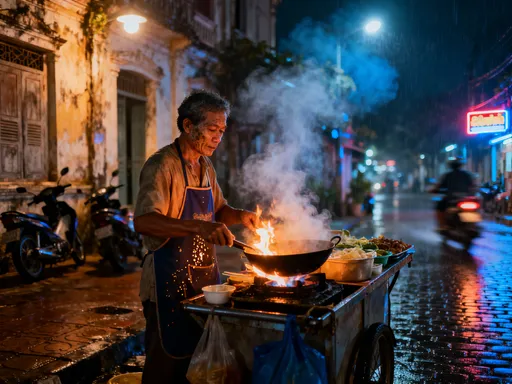
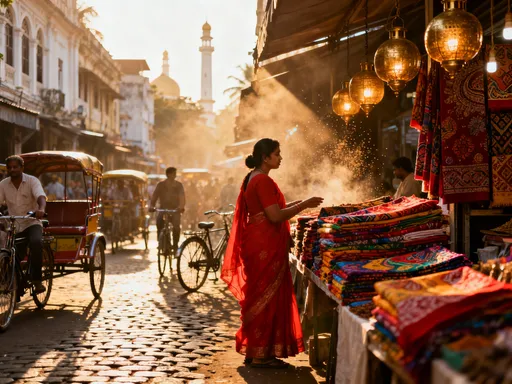
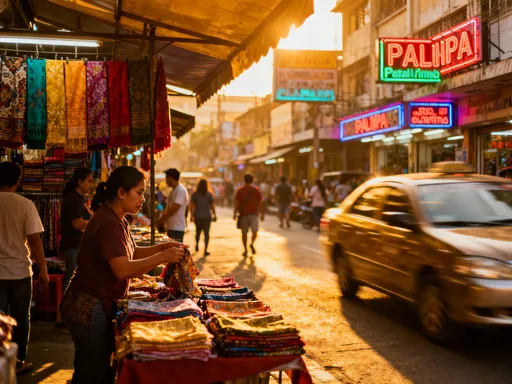
The sensory experience is unforgettable. Bright bolts of fabric drape from shop fronts, saris shimmer in the sunlight, and mountains of dried chilies glow like embers. Vendors call out prices in Sinhala, Tamil, and broken English, while shoppers weave through the crowds with practiced ease. The smell of roasted cumin mixes with the sweetness of ripe mangoes, and the occasional whiff of diesel from passing three-wheelers reminds you that this is a working market, not a tourist showpiece. That’s what makes Pettah so special: it’s where Colombo’s residents come to shop, not just where tourists come to look.
For visitors, navigating Pettah can be overwhelming, but with a few practical tips, it becomes an adventure. The best time to visit is early in the morning, between 8 and 10 a.m., when the heat is manageable and the markets are fully stocked. Avoid weekends and public holidays, when crowds swell and movement slows to a crawl. Wear comfortable shoes—pavements are uneven, and you’ll be on your feet for hours. Keep your belongings secure; while Pettah is generally safe, pickpocketing can occur in densely packed areas.
When shopping, don’t be afraid to bargain—but do so politely. A smile and a respectful tone go a long way. Start by offering about 60% of the quoted price and negotiate from there. Many vendors appreciate the interaction and may even offer you a cup of sweet tea if the conversation flows well. Look for shops with loyal local customers; if you see Sri Lankan families buying in bulk, you’re likely in the right place. Avoid touts who approach aggressively or try to pull you into shops off the main lanes—these are often overpriced and geared toward uninformed tourists.
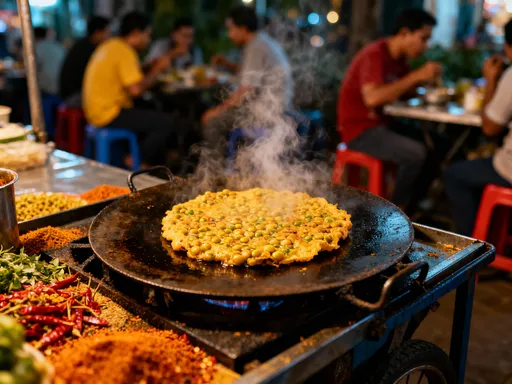
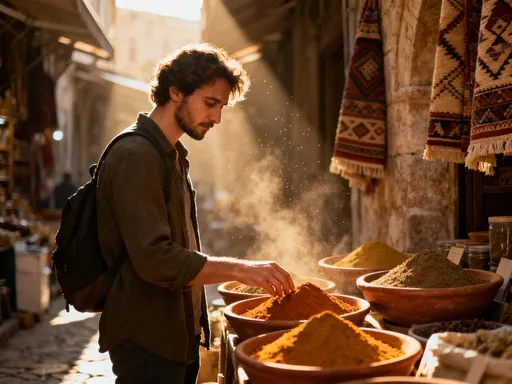
One of the most rewarding parts of Pettah is discovering items you won’t find elsewhere. Hand-embroidered table linens, brass oil lamps, and traditional wooden toys are just a few of the treasures hidden in plain sight. For food lovers, Spice Street is a must. Vendors sell cinnamon in curled quills, cardamom pods still in their husks, and custom-blended curry powders made to order. Buy small quantities at first to test quality, and ask for resealable packaging if you’re flying home soon. With a little patience and curiosity, Pettah rewards the open-minded traveler with authenticity you simply can’t replicate in a mall.
Luxury & Local Craft: The Best Boutiques and Design Stores
While Pettah thrives on volume and variety, Colombo’s boutique scene offers a different kind of richness—one rooted in craftsmanship, sustainability, and design integrity. These are not mass-produced souvenir shops, but curated spaces where every item tells a story of skill, heritage, and care. Two names stand out: Barefoot and Paradise Road, both pioneers in elevating Sri Lankan artisan work to international acclaim.
Barefoot, located on Galle Road, is more than a store—it’s an institution. Founded in the 1950s, it began as a small studio promoting handloom textiles and has since grown into a beloved destination for travelers seeking quality and authenticity. Inside, you’ll find handwoven batiks, block-printed fabrics, and hand-stitched clothing dyed with natural pigments. The designs blend traditional Sri Lankan motifs with contemporary silhouettes, making them wearable and timeless. What sets Barefoot apart is its commitment to fair wages and ethical production. Many of the weavers and printers come from rural communities, and the store ensures they receive fair compensation for their work.
Paradise Road, another Colombo favorite, takes a similar approach but with a focus on lifestyle design. Its flagship store, a restored colonial building, houses an elegant selection of ceramics, linen, and home décor. The signature hand-thrown pottery, glazed in earthy tones, reflects the island’s natural palette—think ocean blues, jungle greens, and sunbaked terracotta. The brand also collaborates with local artists, ensuring that each collection feels fresh yet deeply rooted in Sri Lankan aesthetics. Like Barefoot, Paradise Road emphasizes sustainability, using eco-friendly materials and minimizing waste in production.
These boutiques matter because they offer an alternative to fast fashion and generic imports. In a world where so much retail feels disposable, stores like these remind us of the value of slow, intentional creation. They also provide a direct link between travelers and artisans, allowing visitors to support small-scale producers with every purchase. For the discerning shopper—especially one who values quality over quantity—these stores are essential stops.
Other notable mentions include Laki’s Poruwa, which specializes in hand-carved wooden crafts and traditional masks, and Serendipity Arts, a multi-brand space showcasing work from across South Asia. These shops often participate in craft fairs and pop-up markets, making them accessible even outside their main locations. By choosing to shop here, you’re not just buying a product—you’re preserving a tradition.
Emerging Hubs: Art Galleries and Pop-Up Markets
Colombo’s creative energy isn’t confined to established boutiques. In recent years, neighborhoods like Kollupitiya and Colombo 07 have become incubators for a new generation of artists, designers, and entrepreneurs. These areas, once overlooked, are now buzzing with pop-up markets, independent galleries, and co-working spaces that blend art, fashion, and community.
Weekend pop-ups have become a cultural phenomenon, drawing young professionals, expats, and curious tourists alike. Held in repurposed warehouses, school courtyards, or even parking lots, these events feature handmade jewelry, organic skincare, screen-printed T-shirts, and gourmet street food. Unlike traditional markets, pop-ups often have a thematic focus—sustainability, women-led businesses, or zero-waste living—giving them a sense of purpose beyond commerce. Many vendors accept card payments via mobile readers, making transactions smooth and secure.
Art galleries also play a key role in this shift. The Saskia Fernando Gallery and Theertha International Artists Collective are just two spaces where contemporary Sri Lankan art is showcased with professionalism and pride. While not strictly retail destinations, these galleries often sell prints, limited editions, and artist-designed merchandise. For visitors, they offer a deeper understanding of the island’s cultural landscape—one shaped by history, resilience, and innovation.
What makes these emerging hubs so exciting is their unpredictability. A market that draws 200 people one month might double in size the next. An artist’s first solo show could lead to international exhibitions. To stay informed, check social media platforms like Instagram or Facebook, where event organizers post updates regularly. Local newspapers and tourism boards also publish monthly calendars highlighting upcoming fairs and exhibitions.
For the traveler, these spaces offer unique finds you won’t see in tourist shops: a hand-bound notebook made from recycled paper, a necklace forged from reclaimed metal, or a tote bag printed with a poem in Sinhala script. More than the items themselves, it’s the connection to the maker that resonates. Many vendors are happy to explain their process, their inspiration, and their hopes for the future. In these moments, shopping becomes something richer—a conversation, a shared moment of creativity.
The Spice Trail: Shopping for Flavors and Fragrances
No visit to Colombo is complete without engaging the senses through its most famous export: spices. For centuries, Sri Lanka—formerly Ceylon—has been known as the island of spices, and Colombo remains a key point in the global spice trade. Today, visitors can walk into markets and shops where cinnamon, cardamom, cloves, and pepper are sold in their purest forms, often ground fresh before your eyes.
Cinnamon is the crown jewel. Unlike the cassia commonly sold in supermarkets, Ceylon cinnamon—often labeled “true cinnamon”—is delicate, sweet, and layered in flavor. It comes in thin, papery quills that curl like scrolls, and high-quality batches will crumble easily when pressed. The best vendors will let you smell the difference between Ceylon and cassia; the former is floral and complex, the latter harsh and one-dimensional. Look for shops in Pettah or at specialty stores like Keells Super or Cargills Square, where labeling is clearer and storage conditions are better.
Cardamom, another staple, should be sold in pods whenever possible. Whole pods preserve flavor far longer than pre-ground powder, and you can crush them at home as needed. Fresh cardamom has a bright, citrusy aroma and a slight cooling sensation on the palate. Cloves and nutmeg are also widely available, often sold alongside curry blends custom-mixed by vendor families who’ve perfected their recipes over generations.
When buying spices, ask about origin. The best come from Sri Lanka’s hill country—regions like Kandy, Matale, and Gampola. Avoid vendors who offer suspiciously low prices or packages without clear labeling. Reputable sellers will be happy to answer questions and may even offer small samples. For travelers concerned about authenticity, consider visiting a spice garden on the outskirts of Colombo, where you can see plants in cultivation and purchase directly from growers.
Packing spices for travel requires some care. Use airtight containers to prevent leaks, and wrap fragile quills in soft cloth. Most spices are allowed through customs, but check your airline’s regulations—some restrict powdered substances in carry-ons. Consider declaring high-value purchases, especially if buying in bulk, to avoid issues at immigration. With proper handling, your spices will stay fresh for months, bringing the taste of Colombo into your kitchen long after you’ve returned home.
Malls with a Twist: Modern Convenience Meets Local Flair
For all its charm, Colombo also offers modern shopping experiences that cater to those seeking comfort, air conditioning, and familiar payment methods. Malls like One Galle Face and the rebranded Odel outlets provide a blend of international brands and local retailers, making them ideal for rest, refreshment, and retail therapy in one stop.
One Galle Face, located along the oceanfront, is Colombo’s most upscale mall. Its marble floors, glass elevators, and wide corridors create a polished atmosphere, yet it still manages to retain local character. Alongside global names like H&M and Starbucks, you’ll find Sri Lankan brands such as Barefoot, Odel, and Soft. The food court is a highlight, serving everything from hoppers to Italian pasta, while the rooftop promenade offers sweeping views of the Indian Ocean—perfect for a sunset break between shopping sprees.
The new Odel stores, following the rebranding of the original chain, continue its legacy of promoting Sri Lankan design. These locations focus on apparel, home goods, and gifts made by local artisans. The layout is clean and inviting, with clear signage and fixed prices—ideal for travelers who prefer not to haggle. Staff are knowledgeable and often happy to explain the origins of products, adding an educational layer to the experience.
Other malls, like Majestic City and Crescat Boulevard, lean more toward international chains but still include local food vendors and service providers. They offer practical amenities such as ATMs, currency exchange counters, and nursing rooms—important considerations for families and older travelers. Air conditioning provides a welcome respite from Colombo’s heat, and security is generally tight, making these spaces feel safe and accessible.
While malls can’t replicate the energy of Pettah or the intimacy of a boutique, they serve an important role in the city’s retail ecosystem. They offer reliability, comfort, and consistency—qualities that matter after a long day of exploration. For travelers balancing adventure with convenience, a mall visit can be both restorative and rewarding. Just remember to keep an eye out for local brands; even in these modern spaces, Sri Lanka’s creative spirit finds a way to shine.
Smart Shopping: Bargaining Tips, Payment Norms, and What to Avoid
Navigating Colombo’s shopping landscape becomes easier with a few practical guidelines. Understanding local customs around bargaining, payment, and etiquette can help you make informed choices and avoid common pitfalls.
Bargaining is expected in markets like Pettah and roadside stalls, but not in fixed-price stores such as Barefoot, Paradise Road, or mall outlets. In bargaining zones, start by asking the price, then offer 50–60% of that amount. Stay polite and smile—this is a social interaction, not a confrontation. If the vendor won’t come down to your price, be ready to walk away; often, they’ll call you back with a better offer. Avoid aggressive haggling; it can sour the experience for both parties.
When it comes to payment, cash is still king in smaller shops and markets. While many vendors now accept mobile payments via apps like FriMi or Genie, card machines are less common outside malls and established stores. Carry small denominations of Sri Lankan rupees for easier transactions. If paying with a large note, check your change carefully—mistakes happen, and some vendors may take advantage of confusion.
Be cautious of counterfeit goods, especially near tourist-heavy areas like Gangaramaya Temple or the Independence Memorial Hall. Fake brand-name bags, watches, and sunglasses are sometimes sold with convincing packaging but poor quality. If a deal seems too good to be true, it probably is. Stick to reputable shops and avoid buying from touts who follow you down the street.
Finally, plan your purchases with luggage space in mind. Wrap fragile items like pottery or glassware in soft clothing to prevent breakage. Keep receipts for high-value items, especially if you plan to declare them at customs. Some countries have limits on duty-free imports, so check your home nation’s regulations before packing spices, tea, or handmade goods.
A quick checklist before you go: bring a reusable shopping bag, wear comfortable shoes, carry hand sanitizer, and keep a list of your must-buy items. With preparation and awareness, your shopping experience in Colombo can be as smooth as it is rewarding.
Conclusion
Shopping in Colombo is more than transactions—it’s connection. Each purchase carries a piece of Sri Lanka’s spirit, whether from a bustling market or a quiet studio. From the spice-scented lanes of Pettah to the curated elegance of Barefoot, the city offers a retail journey that is as rich in meaning as it is in variety. With smart choices and open curiosity, your time in Colombo becomes more than a trip—it becomes a story worth bringing home. The streets are hiding treasures, yes, but they’re also revealing a culture of craftsmanship, resilience, and warmth. Let your shopping be a bridge, not just a souvenir hunt. And when you unpack your bags, may every item remind you not just of where you’ve been, but of the people and traditions that made it possible.