You Won’t Believe These Hidden Terrains in Tehran – A Photographer’s Dream
Tehran isn’t just a city—it’s a visual paradox. Where else can you stand in a bustling metropolis and, within minutes, find yourself staring at snow-draped peaks, rugged desert edges, or wild mountain trails? As a photographer, I was blown away by how the terrain shifts dramatically across this dynamic capital. From urban contrasts to nature’s raw edges, Tehran offers something unexpected at every turn. This is not the Iran many imagine—it’s real, raw, and ready for your lens. The city defies expectations, rising from flat urban sprawl into alpine heights and fading into arid thresholds—all within a single horizon. For those who carry a camera, Tehran presents a rare gift: a capital where nature and cityscape collide in breathtaking harmony, offering endless possibilities for powerful, soul-stirring images.
The Urban Meets the Wild: Tehran’s Unique Geographic Identity
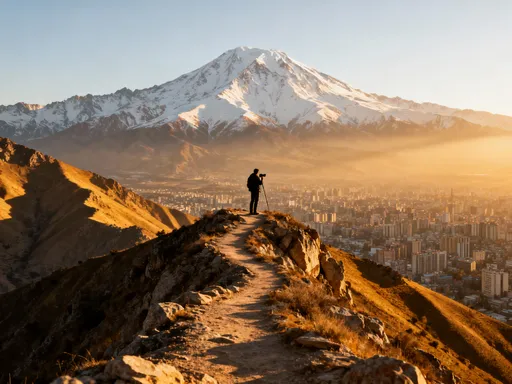
Tehran’s geographic identity is unlike any other capital city in the world. Nestled between the towering Alborz Mountains to the north and the vast, arid central plateau to the south, the city exists at a dramatic crossroads of elevation and climate. While most capitals spread outward on relatively flat land, Tehran climbs—literally. Its northern neighborhoods ascend steeply into the foothills, where elevation gains of over 1,000 meters occur within just a few kilometers. This vertical expansion means that urban life and wild terrain are not separated by long journeys but by mere minutes of travel. A photographer can begin the day in a café in central Tehran and, by mid-morning, be standing on a rocky ridge with panoramic views of the city below and snow-capped peaks above.
This geographic duality is exceptionally rare among global capitals. Cities like Denver or Mexico City sit at high altitudes, but they do not offer such immediate access to both mountain wilderness and desert-like environments. In Tehran, the contrast is not just visible—it is tangible. The northern districts, such as Shemiran and Elahieh, enjoy cooler temperatures and greener landscapes due to their proximity to the mountains. Meanwhile, the southern parts of the city transition into drier, warmer zones that echo the conditions of the central Iranian desert. This juxtaposition creates a visual richness that is invaluable for photographers seeking contrast, depth, and narrative in their work.
What makes Tehran particularly compelling is how seamlessly these environments blend. There are no long drives or complicated logistics required to shift from urban streets to mountain trails. Major roads like Valiasr Street run directly from the southern edge of the city into the northern highlands, acting as arteries that connect vastly different worlds. For photographers, this means a single day can yield a portfolio that spans cityscapes, mountain vistas, and desert textures—all captured within the boundaries of one metropolitan area. The city’s layout encourages exploration, rewarding those who venture beyond the expected with landscapes that feel both remote and accessible.
Why Terrain Shapes the Soul of Photography in Tehran
In photography, terrain is more than just a backdrop—it is a defining force that shapes light, composition, and mood. In Tehran, the dramatic shifts in elevation and landform create a dynamic interplay of shadow, reflection, and atmosphere that few cities can match. As the sun moves across the sky, the way light falls on the city changes rapidly due to the surrounding mountains. Deep valleys cast long shadows in the morning, while southern-facing slopes catch golden light for extended periods. This creates a constantly evolving canvas for photographers, where the same location can look entirely different depending on the time of day and season.
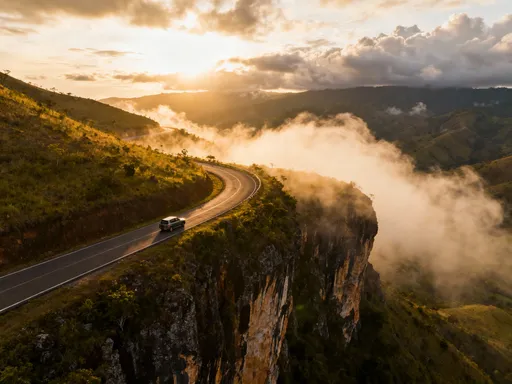
One of the most striking effects of Tehran’s terrain is how it influences fog and cloud cover. On cool mornings, especially in spring and autumn, mist rolls down from the Alborz Mountains, spilling into the northern parts of the city like a slow-moving river. This phenomenon, known locally as “shabnam” or dew fog, transforms familiar streets into dreamlike scenes, softening edges and adding layers of mystery to compositions. Photographers who rise early can capture the city half-submerged in cloud, with only the highest rooftops and minarets visible—a surreal blend of urban and ethereal.
The texture of the land itself also plays a crucial role in visual storytelling. Rocky outcrops, eroded cliffs, and dry riverbeds provide natural leading lines and points of interest that guide the viewer’s eye through an image. The contrast between smooth city surfaces—paved roads, glass buildings—and the rough, weathered surfaces of nature enhances the sense of duality that defines Tehran. Additionally, the high altitude in northern areas means clearer air and more intense sunlight, which can be both a challenge and an advantage. With careful use of filters and exposure settings, photographers can capture vibrant skies, sharp mountain ridges, and dramatic silhouettes against the horizon.
Darband: Where the City Steps into the Mountains
Darband is one of Tehran’s most iconic natural gateways, where the urban landscape gives way to rugged mountain terrain in a matter of steps. Located in the northernmost part of the city, this historic village-turned-recreational zone serves as a starting point for numerous hiking trails that climb into the Alborz range. The journey begins on a narrow, cobblestone street lined with small restaurants and tea houses, but within minutes, the sounds of traffic fade and the path turns into a steep, rocky trail flanked by boulders and seasonal streams. For photographers, Darband offers an immediate transition from city life to wilderness, making it an ideal location for capturing the contrast between human activity and natural solitude.
The visual narrative of Darband unfolds in layers. At the entrance, images can focus on the interplay between traditional architecture and modern visitors—families dining outdoors, children playing near fountains, and shopkeepers tending to their stalls. As the trail ascends, the scenery shifts to waterfalls cascading over stone, wooden footbridges crossing clear streams, and staircases carved directly into the mountain rock. These elements provide excellent opportunities for close-up details, motion blur shots of flowing water, and wide-angle compositions that emphasize scale and elevation. The higher one climbs, the more the city reveals itself below—a sprawling mosaic of rooftops, streets, and distant towers framed by mountain ridges.
Lighting is particularly favorable in the early morning and late afternoon, when the sun skims the valley walls, creating warm highlights and deep shadows. Midday light can be harsh, but it works well for high-contrast black-and-white photography, especially when capturing the textures of stone and wood. Because Darband is popular with locals, especially on weekends, photographers should aim to arrive early to avoid crowds and capture more intimate, undisturbed scenes. The upper reaches of the trail, beyond the main tourist zone, remain relatively quiet and offer unobstructed views of the surrounding peaks, making them prime spots for landscape photography.
Tochal: High-Altitude Adventures Above the Clouds
Rising above 3,000 meters, the Tochal region stands as one of Tehran’s most dramatic natural destinations, offering photographers an alpine environment just a short journey from the city center. Accessible via a gondola lift from the Darband area or by hiking along well-marked trails, Tochal presents a landscape that feels worlds away from urban life. At this altitude, the air is thinner, the skies are clearer, and the terrain becomes increasingly rugged—characterized by rocky plateaus, wind-sculpted ridges, and patches of snow that persist well into summer. The Tochal ski resort, though modest by international standards, serves as a base for trekkers and photographers alike, providing basic facilities and panoramic vantage points.
The visual rewards of reaching Tochal are immense. From the upper gondola station, sweeping views stretch across the entire Tehran basin, with the city appearing as a vast, textured plain bordered by mountains on three sides. On clear days, the contrast between the gray urban expanse and the white-capped peaks is striking, offering compelling compositions that emphasize scale and isolation. The high-altitude environment also creates unique atmospheric conditions—fog banks that drift through the valleys, sudden sunbreaks that illuminate snowfields, and long shadows cast by late-day light across the ridgelines.
Photographers should prepare for the challenges of shooting at elevation. The intense sunlight requires careful exposure management, and the cold temperatures can affect battery life and lens performance. A polarizing filter is highly recommended to reduce glare from snow and enhance sky contrast. Wide-angle lenses are ideal for capturing the vastness of the terrain, while telephoto lenses can isolate distant peaks or compress layers of mountain folds. The best seasons for photography are late spring and early autumn, when the weather is stable and the landscape offers a mix of snow, rock, and occasional alpine vegetation. Winter visits provide opportunities for capturing snow-covered trails and frost-laden trees, though access may be limited due to road closures.
Southern Edges: The Desert Threshold Beyond Tehran
While the northern reaches of Tehran rise into mountain grandeur, the southern outskirts tell a different story—one of gradual transition into arid, desert-like conditions. As the city extends southward, the land flattens and dries, giving way to eroded hills, sparse vegetation, and vast open spaces that hint at the beginning of the Dasht-e Kavir, one of Iran’s largest deserts. Areas such as Kharavadi and Robat Karim mark this threshold, where the last signs of urban development fade into silence and solitude. For photographers, this zone offers a starkly different visual language: cracked earth, wind-carved formations, and endless skies that dominate the frame.
Capturing the essence of this landscape requires a shift in perspective. Unlike the dramatic contrasts of the north, the southern edges demand attention to subtlety—nuances of color, texture, and light that emerge slowly under patient observation. The ground, often covered in fine dust or salt deposits, reflects sunlight in muted tones, creating soft gradients across the terrain. Lone shrubs, hardened by drought, stand as solitary figures in wide compositions, emphasizing isolation and resilience. Sunrise and sunset are particularly powerful times here, when the low-angle light casts long shadows and warms the earth with golden and ochre hues, transforming the barren landscape into a painterly scene.
Due to the extreme heat, especially in summer, photographers must plan carefully. Early morning or late afternoon shoots are essential, not only for optimal lighting but also for safety. Hydration, sun protection, and appropriate clothing are non-negotiable. While the area lacks formal tourist infrastructure, it is accessible by car, and unpaved roads lead to remote vantage points ideal for uninterrupted horizons. Drones, where permitted, can capture the vastness of the terrain, showing how the city’s edge dissolves into emptiness. This region is not about spectacle—it is about stillness, scale, and the quiet beauty of a land shaped by time and wind.
Seasonal Shifts: How Tehran’s Terrain Transforms Year-Round
Tehran’s terrain is never static; it undergoes profound visual transformations with each passing season, offering photographers a constantly renewing source of inspiration. Winter brings snow to the northern mountains, blanketing the Alborz peaks in white and turning Darband and Tochal into winter wonderlands. The city itself, when dusted with snow, takes on a monochrome elegance, with rooftops and trees outlined in frost. These conditions are perfect for minimalist compositions, high-contrast black-and-white images, and shots that emphasize texture and silence.
Spring breathes new life into the foothills, as snowmelt feeds streams and wildflowers begin to bloom along trails and slopes. The greening of the northern landscapes creates a soft, vibrant palette—emerald grasses, yellow blossoms, and fresh leaves on pistachio and almond trees. This is an ideal time for capturing renewal and movement, whether through flowing water, fluttering petals, or families enjoying outdoor picnics in the mountains. The air is crisp, and the light is balanced, making it one of the most photographer-friendly seasons in Tehran.
Summer shifts the focus to endurance and contrast. While the city heats up, the high-altitude trails remain accessible and relatively cool, offering refuge and dramatic skies. Dust storms, known locally as “bad-i sad-o-bist rooz,” can occasionally sweep in from the desert, creating hazy, golden atmospheres that soften the landscape and add a dreamlike quality to images. These conditions, though challenging, can yield unique results—silhouetted figures against dusty horizons, sunrays breaking through particulate-laden air, and surreal color gradients in the sky.
Autumn returns a sense of calm, with cooler temperatures and clear skies. The northern slopes take on warm tones as leaves change color, and the light becomes softer, more diffused. This season is particularly effective for capturing the layered topography of the city, where the contrast between urban density and natural decline is most visible. Each season in Tehran tells a different story through its terrain, and photographers who return throughout the year can build a rich, evolving narrative of the city’s relationship with its land.
Photography Tips for Capturing Tehran’s Terrain Like a Pro
To truly capture the essence of Tehran’s diverse terrain, photographers should adopt a strategic and respectful approach. First, lens selection is crucial. A wide-angle lens (16–35mm) is essential for emphasizing scale, especially when photographing mountain vistas or expansive desert views. A telephoto lens (70–200mm) allows for compressing distant peaks or isolating details in the urban-natural interface. A standard zoom lens (24–70mm) serves well for street-to-trail transitions, offering versatility across environments.
Filters play a significant role in managing Tehran’s intense light. A circular polarizer helps reduce glare from water, snow, and glass surfaces while deepening blue skies. A neutral density (ND) filter is useful for long-exposure shots of flowing streams in Darband or cloud movement over Tochal. For sunrise and sunset photography, a graduated ND filter can balance exposure between bright skies and darker foregrounds.
Timing remains one of the most important factors. The golden hours—shortly after sunrise and before sunset—offer the most flattering light and are ideal for landscape photography. Midday light, though harsh, can be used creatively for high-contrast or abstract compositions. Weekdays are generally less crowded than weekends, especially in popular areas like Darband, allowing for cleaner, more intimate shots.
Planning routes using topographic maps or GPS apps helps photographers locate vantage points and anticipate elevation changes. It is also important to respect local customs—while photography in public spaces is generally permitted, discretion should be used when photographing people, especially in rural or religiously conservative areas. Drones require prior permission and should only be flown in designated zones to comply with local regulations. By combining technical preparation with cultural awareness, photographers can create powerful, authentic images that honor both the land and its people.
Tehran’s terrain is its secret weapon—a capital that doesn’t play by flat-city rules. For photographers, it’s a rare chance to capture urban energy and natural extremes in one frame. Whether you're chasing mountain mists or desert silence, the land here tells stories older than the city itself. The real magic? You don’t need to travel far—just open your eyes to the ground beneath your feet.