You Won’t Believe These Hidden Spots in Malé, Maldives
When I first landed in Malé, I expected a crowded city island with not much to see. But what I discovered blew my mind. Beyond the bustle, secret scenic spots hide in plain sight—vibrant murals, tranquil parks, and waterfront views most travelers miss. This isn’t just a transit point; it’s a quiet gateway to authentic island beauty. Let me take you through the unexpected charm of Malé’s best-kept secrets. What many overlook as a mere stopover is, in fact, a place where culture, color, and calm converge in surprising harmony. With a little curiosity and the right perspective, Malé reveals itself not as a footnote in a tropical itinerary, but as a destination worth savoring.
First Impressions of Malé: More Than Just an Airport Hub
Upon arrival, Malé can feel overwhelming. As the capital of the Maldives and one of the most densely populated cities in the world, it’s easy to mistake it for a chaotic transit zone—packed streets, compact buildings, and the constant hum of scooters weaving through narrow lanes. Most visitors rush through, eyes fixed on speedboats to their luxury resort islands, assuming the city offers little more than administrative necessity and airport logistics. Yet this initial impression often blinds travelers to a quieter, more intimate side of island life that thrives beneath the surface.
The truth is, Malé is not just a gateway—it is a living, breathing community with its own rhythm and charm. Once you slow down and look beyond the concrete facades, you begin to notice subtle details: laundry fluttering between balconies like flags of daily life, the scent of jasmine drifting from a hidden courtyard, or the soft chime of a mosque’s call to prayer echoing over rooftops. These are the quiet moments that define the soul of the city, invisible to those who pass through without pausing.
Shifting your perspective transforms Malé from a brief layover into a meaningful experience. Instead of seeing it as a contrast to the idyllic atolls, view it as a complementary chapter in the Maldivian story. Here, tradition and modernity coexist. The city’s compact size—just over 8 square kilometers—means every corner is within reach, and every alley can lead to a discovery. By embracing the idea that beauty isn’t always found in postcard-perfect beaches, but also in human moments and urban textures, you unlock a richer, more grounded travel narrative.
The Heartbeat of the City: Republic Square and Local Life
At the center of Malé’s civic life lies Republic Square, an open public space that serves as both a landmark and a living room for locals. Unlike the manicured plazas of European capitals, this square embraces simplicity—a wide expanse of tiled ground framed by fluttering national flags, shaded by palm trees, and surrounded by government buildings with colonial-era influences. It’s not grand in scale, but it pulses with authenticity. This is where families gather on weekends, where children fly kites on national holidays, and where elders sit on benches sharing stories under the late afternoon sun.
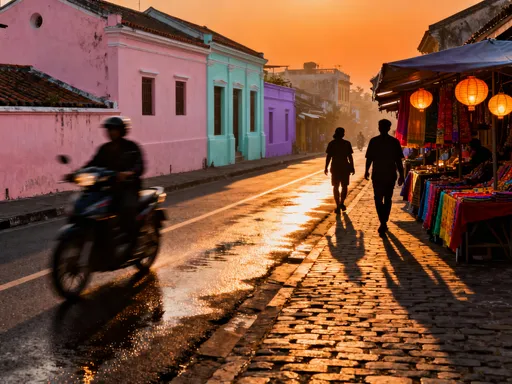
The architecture around the square tells a story of resilience and adaptation. Pastel-colored buildings with corrugated metal roofs and wooden shutters reflect a blend of South Asian and colonial styles, weathered by salt air and time. Bright blue, coral pink, and mint green facades create a soft, cheerful palette against the deep blue sky. These colors aren’t chosen for tourism—they’re part of everyday Malé, a quiet expression of identity in a city where space is limited but spirit is not.
What makes Republic Square truly special is its role as a cultural anchor. It hosts national celebrations like Independence Day and National Day, when the square fills with dancers in traditional attire, drummers beating rhythmic patterns, and schoolchildren waving flags. Even on ordinary days, the energy is palpable. Locals stroll with cups of hot black tea, vendors sell fresh coconut water from roadside carts, and the occasional street performer adds melody to the air. For the observant traveler, this is not just a place to visit—it’s a place to witness life as it unfolds, unscripted and genuine.
Photographers will find endless opportunities here. The interplay of light and shadow, the movement of people against colorful backdrops, and the quiet dignity of daily routines create compositions that feel both intimate and universal. The key is to observe with respect—ask before taking close-up portraits, and let moments come naturally. In doing so, you don’t just capture images; you honor the dignity of the community you’re visiting.
Hidden Greenery: Quiet Parks and Urban Oases
In a city where land is at a premium, green spaces are precious. Yet Malé manages to weave pockets of nature into its urban fabric, offering serene retreats for both residents and curious visitors. These parks may not rival the vast botanical gardens of larger capitals, but their value lies in their contrast to the surrounding density. They are oases of calm, where the noise of scooters fades and the scent of frangipani rises with the breeze.
One such haven is Sultan Park, located near the old Friday Mosque. Once part of a royal palace complex, this shaded garden features manicured lawns, ornamental ponds, and clusters of tropical plants. Tall banyan trees stretch their branches overhead, creating a canopy that filters sunlight into dappled patterns on the ground. Benches are tucked beneath the foliage, inviting quiet contemplation. Families often picnic here, children chase butterflies, and couples walk hand in hand along the paved paths. The park’s historical significance adds depth—this was once the private grounds of Maldivian royalty, now generously shared with the public.
Another gem is the Artificial Beach Park, a man-made stretch of sand and sea along the eastern coast. Though not a natural beach, it offers a rare opportunity to feel sand between your toes within city limits. Lined with palm trees and dotted with picnic tables, it’s a favorite spot for evening walks. As the sun dips below the horizon, the sky turns shades of tangerine and lavender, reflecting off the gentle waves. Locals gather to jog, play badminton, or simply sit and watch the water. The sound of the surf, even in this urban setting, has a calming effect—a reminder that the ocean remains central to Maldivian life, no matter how densely built the land becomes.
These green spaces are more than decorative—they serve as vital lungs for the city and sanctuaries for mental well-being. In a place where homes are often small and multi-generational, public parks provide essential room to breathe. For travelers, they offer a chance to slow down, observe local life, and reconnect with nature. Visiting these parks isn’t just about sightseeing; it’s about experiencing the rhythm of Malé on a human scale.
Street Art and Colorful Walls: Murals That Tell Stories
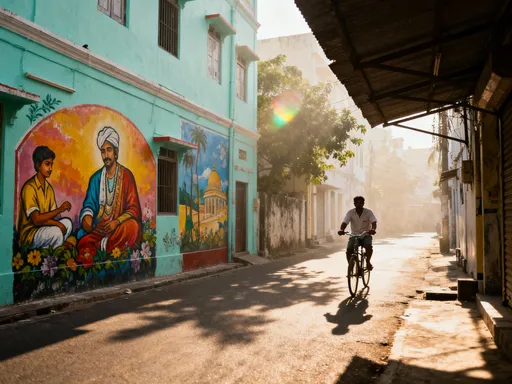
Wander through the side streets of Malé, and you’ll begin to notice something unexpected: walls alive with color and meaning. Once plain and unremarkable, many buildings now host vibrant murals painted by local artists. These aren’t random graffiti tags, but thoughtful compositions that celebrate Maldivian heritage, marine life, and youth expression. From a giant manta ray gliding across a concrete wall to a fisherman mending his nets in vivid detail, these artworks transform the city into an open-air gallery.
The rise of street art in Malé reflects a growing cultural movement. Encouraged by community initiatives and youth organizations, artists are using public spaces to reclaim identity and inspire pride. Many murals depict traditional dhoni boats, coral reefs teeming with life, or scenes from island festivals—visual reminders of what makes the Maldives unique beyond its luxury resorts. Others carry messages of environmental protection, such as waves filled with plastic waste or sea turtles entangled in fishing lines, urging viewers to act as stewards of the ocean.
One of the most striking clusters of murals can be found near the eastern harbor, where a series of alleyways has been transformed into a colorful corridor. Here, you might stumble upon a painting of a grandmother weaving a mat from palm leaves, a tribute to vanishing crafts, or a futuristic vision of Malé with floating gardens and solar panels—a hopeful nod to sustainability. These works don’t shout for attention; they invite you to pause, look closely, and read the stories embedded in their brushstrokes.
For travelers, seeking out these murals turns a simple walk into a treasure hunt. There’s no official map, which adds to the charm—discovery feels personal and unplanned. The best approach is to explore on foot, turning down side streets and looking up. Bring a camera, but also a notebook; jotting down what a particular mural means to you deepens the experience. And if you meet a local artist, listen. Their insights will enrich your understanding far more than any guidebook.
Waterfront Wonders: The Underrated Malé Seaside
While most tourists associate the Maldives with remote island beaches, few realize that Malé itself offers beautiful waterfront experiences. Along its eastern and northern edges, the city meets the sea in quiet, unassuming ways. The Male’ Waterfront, also known as the Hulhumalé Causeway side, features a paved promenade perfect for walking, jogging, or simply sitting with your thoughts. As the sun rises, the water shimmers in hues of gold and rose, and the sky clears into a soft blue dome. Fishermen in small boats return with their morning catch, their silhouettes cutting across the light.
This stretch of coastline is not designed for swimming—strong currents and limited sandy areas make it impractical—but it’s ideal for reflection and connection. Locals come here to start their day with a walk, to breathe in the salty air, or to pray on mats laid out near the shore. The sound of waves against the seawall is constant, a soothing backdrop to the city’s morning awakening. Benches are spaced along the path, many occupied by elderly men reading the Quran or sipping tea from thermoses. It’s a peaceful coexistence of nature and urban life.
On the northern side, near the fish market, the waterfront takes on a more working character. Boats of all sizes dock here, unloading tuna, reef fish, and lobsters. The air carries the briny scent of the sea and the lively chatter of vendors. While not a typical tourist spot, it’s one of the most authentic places to witness the heartbeat of Malé’s economy. Watching fishermen untangle nets or sort their catch offers a raw, unfiltered glimpse into daily life—one that is often absent from resort-based itineraries.
Evenings along the waterfront are equally enchanting. As temperatures cool, families return to fly kites, play cricket, or enjoy street food from nearby stalls. The lights of Hulhumalé flicker across the channel, and the occasional speedboat zips past, carrying guests to their island retreats. There’s a quiet poetry in this moment—the city winding down, the sea holding its breath, and the sky deepening into twilight. For those willing to step off the beaten path, Malé’s seaside offers a sense of serenity that rivals any private beach.
How to Experience Malé Like a Local: Practical Tips
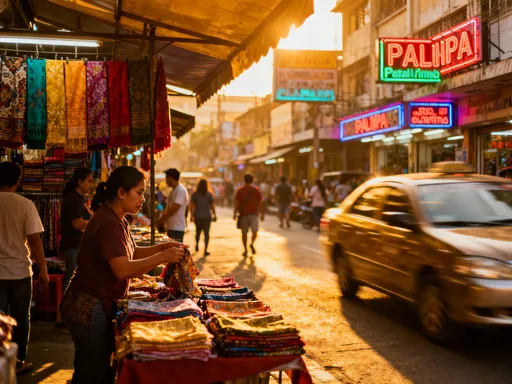
To truly appreciate Malé’s hidden spots, it helps to move like a local. The city is best explored on foot—compact, walkable, and full of details that reveal themselves only at a slow pace. Begin your day early, when the streets are cool and the light is soft. Start at Republic Square, then meander through the markets, pause at Sultan Park, and follow the murals toward the eastern waterfront. A walking route that loops from the center to the coast allows you to experience the full spectrum of urban life.
Timing matters. The midday sun in Malé can be intense, so plan indoor visits—such as the National Museum or a local café—during the hottest hours. Late afternoon and early evening are ideal for outdoor exploration, when the temperature drops and the city comes alive with activity. Weekends, especially Friday and Saturday, offer a livelier atmosphere, with families out and markets bustling.
Transportation within Malé is simple. There are no cars, only scooters and bicycles. Visitors can rent bikes or hire a local guide for a more immersive experience. The public ferry to Hulhumalé is also worth taking—not just for the short ride, but for the panoramic views of the city skyline and surrounding atolls. Many travelers use Hulhumalé as a base, but spending time in Malé proper offers a deeper understanding of Maldivian culture.
When engaging with locals, a smile and a polite greeting go a long way. The official language is Dhivehi, but English is widely spoken, especially among younger people. Dress modestly out of respect for local customs—cover shoulders and knees when walking through residential areas. Avoid pointing with your finger or showing the soles of your feet, as these are considered impolite. And always ask permission before photographing people, especially in religious or private settings.
Finally, consider combining your city visit with a day trip to a nearby local island like Villingili or Gulhifalhu. These islands offer a glimpse into quieter island life while remaining accessible. This blend—urban discovery and coastal tranquility—creates a well-rounded experience that goes beyond the typical resort narrative.
Why These Hidden Spots Matter: The Bigger Picture of Travel
In an age of curated Instagram feeds and bucket-list tourism, the quiet beauty of places like Malé reminds us of a deeper truth: travel is not just about seeing the most famous sights, but about connecting with the essence of a place. The hidden spots of Malé—its parks, murals, and waterfronts—are not just scenic; they are acts of resilience, identity, and community. They represent a version of the Maldives that exists beyond the postcards, one shaped by everyday people who live, work, and create in this vibrant city.
Exploring these spaces encourages a more mindful form of tourism—one that values presence over possession, observation over consumption. When we take the time to walk through a local park, admire a hand-painted mural, or sit by the sea with fishermen, we move from being spectators to participants in a shared human experience. This shift doesn’t require grand gestures; it begins with curiosity, respect, and the willingness to look beyond first impressions.
Moreover, supporting city-based tourism helps distribute economic benefits beyond the resort islands. When travelers spend time—and money—in Malé, they contribute to local businesses, from family-run cafés to artisan shops. This kind of tourism fosters sustainability, not just environmentally, but socially and economically. It acknowledges that the Maldives is more than a luxury escape; it is a nation with cities, cultures, and communities worth knowing.
Ultimately, the hidden spots of Malé invite us to travel with openness. They challenge the stereotype of the capital as a mere transit point and reveal it as a place of quiet beauty and cultural depth. In doing so, they offer a powerful lesson: that wonder often lies not in the faraway, but in the overlooked. So the next time you pass through Malé, don’t rush to the speedboat. Pause. Walk. Look. Listen. You might just discover that the heart of the Maldives beats not only in its coral reefs, but in the soul of its capital city.