You Won’t Believe What I Ate in Kruger’s Hidden Food Zones
When you think of Kruger National Park, safari adventures come to mind—but not the food scene waiting just beyond the bushveld. I didn’t expect mouthwatering flavors in the middle of the wild, yet every stop revealed something incredible: smoky braai spots, local market gems, and campfire meals that warmed my soul. This isn’t just about survival snacks—it’s a taste of real South African culture. Let me take you through the flavors you *have* to try near Kruger’s gates.
The Gateway Flavors: Towns Around Kruger National Park
Just beyond the rugged borders of Kruger National Park lie a series of towns that serve as both gateways and culinary crossroads. Skukuza, Hazyview, Hoedspruit, and White River each offer more than just fuel and supplies—they present a rich mosaic of taste shaped by generations of cultural exchange. These towns are where the rhythms of Zulu tradition, Afrikaans heritage, and Indian and Portuguese influences blend into something uniquely South African. Travelers stepping out of their 4x4s after a long game drive are greeted not only by warm hospitality but by aromas that tell stories of home, history, and heart.
Skukuza, the largest rest camp within Kruger, functions as a hub for both wildlife viewing and local cuisine. Its in-park restaurant and takeaway options reflect a balance between convenience and authenticity, offering everything from vetkoek sandwiches to grilled chicken with pap. But the real magic begins just outside the park’s official entrances. Hazyview, nestled in the lush Lowveld region, is renowned for its agricultural abundance. Here, roadside stalls overflow with mangoes, avocados, and sugarcane, often sold by farmers who’ve cultivated the land for decades. The town’s position along the N4 highway makes it a natural stopover, but its food culture ensures visitors stay longer than planned.
Hoedspruit, another key access point to the northern sections of Kruger, has evolved from a small farming community into a vibrant arts and eco-tourism center. Its weekly craft markets and farm-to-table eateries draw both locals and international guests. The culinary identity here is deeply rooted in sustainability—many restaurants source ingredients directly from nearby organic farms or conservation-linked cooperatives. This connection between land and plate is not just a trend; it’s a reflection of a community that values nourishment as much as nature preservation.
What unites these towns is their role as cultural bridges. They are places where safari-goers recharge, yes, but also where meaningful exchanges happen over shared meals. A simple stop for coffee can turn into a conversation with a local baker about her grandmother’s recipe for koeksisters. A quick lunch at a roadside stall might introduce you to the tangy kick of amasi, a traditional fermented milk. These experiences, often overlooked in mainstream travel guides, are essential to understanding the soul of the region. For the 30- to 55-year-old traveler—often a mother, a caregiver, someone who values connection and authenticity—these culinary encounters offer a deeper, more personal kind of adventure.
Braai Culture: South Africa’s Soul on the Grill
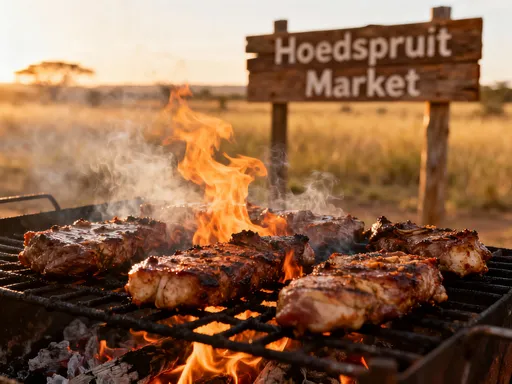
If there’s one ritual that defines South African food culture, it’s the braai. More than just a barbecue, the braai is a social institution—a weekly gathering that brings families, friends, and even strangers together around an open flame. Near Kruger National Park, this tradition thrives in both private gardens and public spaces, from humble roadside stands to designated fire pits at rest camps. The scent of wood smoke and sizzling meat is as much a part of the safari experience as the call of the fish eagle at dawn.
The heart of any great braai lies in its ingredients. Boerewors, a coiled sausage made from spiced beef or lamb, is a staple. Its name literally means “farmer’s sausage,” and its recipe has been passed down through generations. Then there are sosaties—marinated cubes of meat, often lamb or chicken, skewered with onions and apricots, a legacy of Cape Malay cuisine. For the adventurous eater, flame-grilled game meat such as kudu or springbok offers a lean, richly flavored alternative to beef. These are not exotic novelties; they are respected proteins, prepared with care and served with pride.
What makes the braai experience near Kruger especially memorable is its accessibility. Unlike formal dining, it requires no reservations or dress codes. Many rest camps provide communal braai areas equipped with metal stands and fire grills, allowing visitors to cook their own meals under the stars. This do-it-yourself approach fosters a sense of camaraderie—strangers exchange tips on fire management, children gather twigs for kindling, and stories flow as freely as the red wine. It’s a rare moment of simplicity in a world that often feels too fast, too complicated.
For families traveling with children, the braai offers a hands-on way to engage with local culture. Kids can help assemble skewers, toast marshmallows, or mix the marinade under a parent’s guidance. The process becomes part of the memory, not just the meal. And for women in the 30–55 age group—many of whom plan trips around family needs—the braai represents a perfect balance: nutritious food, quality time, and cultural immersion, all without the stress of a restaurant setting. In this way, the braai is more than a cooking method; it’s a philosophy of togetherness, one that resonates deeply with those who value connection, comfort, and tradition.
Local Markets: Where Street Food Meets Authenticity
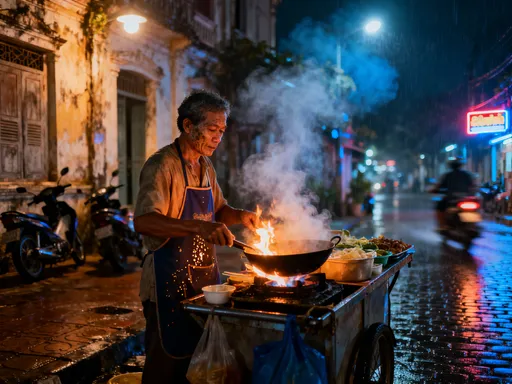
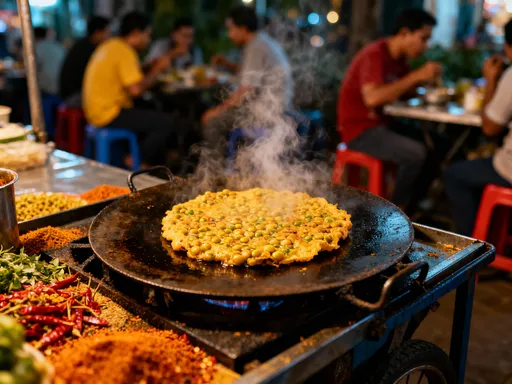
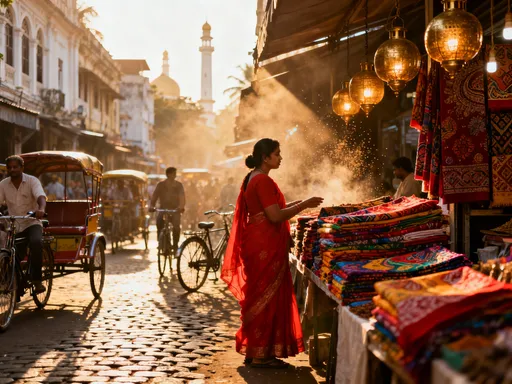
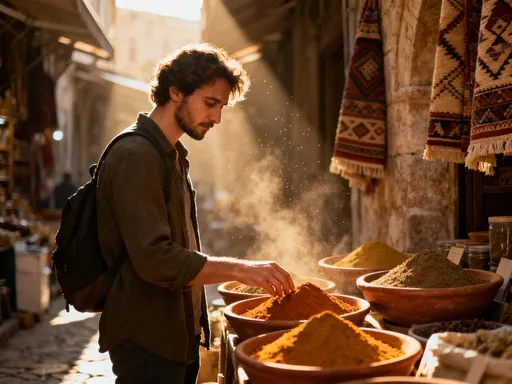
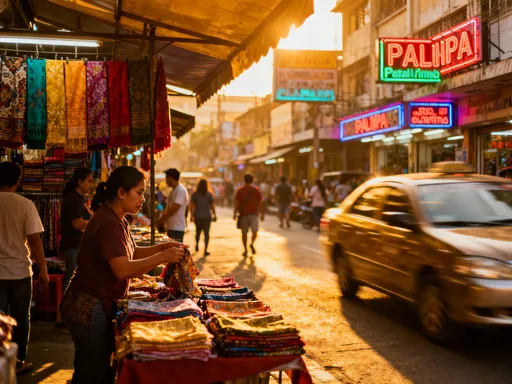
While the lodges and restaurants around Kruger offer curated dining experiences, the true pulse of the region’s food culture beats strongest in its local markets. These bustling, colorful spaces are where rural life unfolds in full sensory detail—vendors calling out prices, children chasing each other between stalls, and the rich aroma of spices and grilled food hanging in the air. Hazyview’s weekend market, in particular, has become a must-visit destination for travelers seeking authentic, home-cooked flavors beyond the tourist trail.
Here, you’ll find dishes that speak to generations of culinary wisdom. Samp and beans, a hearty combination of crushed maize and stewed legumes, is slow-cooked with onions, tomatoes, and sometimes a piece of smoked meat for depth. It’s the kind of meal that fills you up and warms you from the inside—a favorite among farmworkers and families alike. Vetkoek, meaning “fat cake,” is another staple: deep-fried dough balls often split open and stuffed with curried mince or cheese. Simple, satisfying, and deeply comforting, it’s the ultimate portable snack after a morning of game viewing.
One of the most intriguing offerings is amadumbe, a root vegetable similar to taro, often boiled or roasted and served with a spicy chakalaka relish. Rich in fiber and complex carbohydrates, it’s a nutritious choice that reflects the region’s agricultural roots. Vendors proudly display their produce—pyramids of butternut squash, baskets of spinach-like morogo greens, and bundles of fresh herbs like mint and lemon thyme. Many of these ingredients are grown in home gardens or smallholdings, ensuring freshness and supporting local livelihoods.
What sets these markets apart is their authenticity. Unlike sanitized food courts or themed restaurants, they operate on trust, tradition, and personal connection. A vendor might hand you a sample of her homemade ginger beer with a smile, or explain how her mother taught her to balance the spices in her curry. These interactions create moments of genuine human warmth—exactly what many travelers, especially women seeking meaningful experiences, are looking for. For the family-oriented visitor, the market is also a safe, engaging environment where children can learn about new foods, watch artisans at work, and practice basic Zulu greetings like “Sawubona” (hello) and “Ngiyabonga” (thank you).
Lodges & Camps: Gourmet in the Wild
The dining experience within Kruger National Park varies dramatically depending on where you stay, but one thing remains constant: the magic of eating surrounded by nature. At upscale safari lodges just outside the park’s borders, cuisine is elevated to an art form. Executive chefs craft multi-course menus that blend international techniques with indigenous ingredients—think slow-roasted lamb with a marula fruit glaze, or butternut risotto infused with wild herbs foraged from the bush.
These lodges often emphasize sustainability, sourcing meat from ethical game farms, vegetables from nearby organic plots, and honey from local beekeepers. Some even feature on-site gardens where guests can pick their own herbs before dinner. The presentation is refined, the service attentive, and the setting unforgettable—dining under a canopy of stars, accompanied by the distant roar of a lion or the rustle of leaves in the wind. For travelers who appreciate fine dining but don’t want to sacrifice the wilderness experience, these lodges offer the best of both worlds.
In contrast, self-catering camps provide a more rustic but equally rewarding culinary adventure. At places like Lower Sabie or Satara, families set up their own kitchens in open-air shelters, cooking on gas stoves or over braai pits. The centerpiece of many camp meals is potjiekos, a slow-cooked stew prepared in a cast-iron pot over low heat. Layers of meat, vegetables, and spices meld together over hours, creating a dish that is both simple and deeply flavorful. The process is as important as the result—parents and children work together, stirring the pot, checking the fire, and laughing over small mishaps.
This hands-on approach to cooking fosters connection, not just among family members but with the environment itself. There’s a mindfulness in preparing food this way, a slowing down that modern life often denies us. For women who spend much of their time managing households and schedules, the camp kitchen becomes a space of quiet joy and reconnection. Whether enjoying a gourmet meal at a luxury lodge or sharing a humble pot of pap and stew at a campsite, the act of eating in the wild transforms nourishment into ritual.
Coffee & Craft: The Rise of Rural Cafés
In recent years, a quiet revolution has taken place in the towns surrounding Kruger: the rise of the rural café. No longer are travelers limited to petrol station snacks or generic chain coffee. Today, Hoedspruit boasts artisanal espresso bars with latte art and locally roasted beans, while Hazyview is home to bush-chic tea rooms serving homemade muffins and rooibos lattes. These spaces are more than just places to refuel—they are community hubs, creative outlets, and sanctuaries of calm.
Many of these cafés are run by women entrepreneurs who have turned passion into profession. A former teacher might open a bakery specializing in gluten-free koeksisters; a conservation volunteer might launch a café that donates a portion of profits to rhino protection. Their menus often feature seasonal, locally sourced ingredients—think pumpkin scones made with farm-fresh butter, or smoothies blended with wild-grown marula and baobab pulp, both rich in vitamin C.
What makes these cafés special is their atmosphere. They are designed to be welcoming, with shaded outdoor seating, rustic wooden tables, and walls adorned with local art. They offer a moment of pause—a chance to journal, sip tea slowly, or watch birds flit between the trees. For the 30- to 55-year-old woman, often juggling family, work, and personal well-being, these spaces provide a rare gift: stillness. A quiet corner with a good book and a warm drink can be as restorative as a full night’s sleep.
Moreover, many of these establishments are linked to broader social and environmental initiatives. Some partner with conservation cooperatives to source honey, herbs, or coffee beans grown using sustainable methods. Others employ women from nearby villages, offering training and fair wages. By choosing to spend time and money in these cafés, travelers contribute directly to community resilience. It’s a small act with a meaningful ripple effect—one that aligns perfectly with the values of mindful, responsible tourism.
What to Eat (and Avoid): A Practical Food Guide
For first-time visitors to the Kruger region, navigating the food scene can be both exciting and overwhelming. To make the most of your culinary journey, here are some practical tips. First, embrace the local staples: pap (a maize porridge), chakalaka (a spicy vegetable relish), boerewors, and braaied chicken are all delicious, widely available, and generally safe choices. If you’re feeling adventurous, try mopane worms—high in protein and often sold dried or canned. They’re especially popular in summer and are considered a delicacy by many.
When eating at roadside stalls or markets, look for busy vendors with high turnover—this usually indicates freshness. Choose foods that are cooked to order and served hot, and avoid anything that’s been sitting out in the sun. Carry hand sanitizer or wet wipes, as running water isn’t always available. Tap water in most towns is safe to drink, but bottled water is recommended for those with sensitive stomachs.
Be cautious of restaurants located right at the main park gates. While convenient, they often cater to high-volume traffic and may compromise on quality and hygiene. Instead, drive a few kilometers into town—Hazyview’s Market Square or Hoedspruit’s Arts & Craft Market offer better value and more authentic options. And don’t hesitate to ask locals for recommendations; most are happy to point you to their favorite spot.
Learning a few basic food terms can also go a long way. In Zulu, “ukudla” means food, “inja” means dog (important to avoid confusion!), and “ngicela i-braai” means “I’d like to order a braai.” In Afrikaans, “eet” means eat, “water” means water, and “lekker” means delicious—a word you’ll hear often. These small efforts show respect and often lead to warmer interactions.
Why Kruger’s Food Journey Matters
The safari experience is often measured by how many of the Big Five you spot—the lion, leopard, elephant, buffalo, and rhino. But there’s a sixth element, just as vital, that completes the journey: food. What we eat, where we eat, and with whom we share a meal shapes our memories as deeply as any wildlife sighting. In the towns and camps around Kruger National Park, food is not just sustenance; it’s a bridge to culture, community, and connection.
When you sit down to a potjiekos stew at a family-run lodge, when you accept a sample of amadumbe from a market vendor, or when you roast marshmallows with your children under a starlit sky, you’re not just eating—you’re belonging. These moments of shared humanity enrich the travel experience in ways that glossy brochures can’t capture. They remind us that adventure isn’t only about seeing new places, but about opening our hearts to new ways of living.
For the thoughtful traveler—especially the woman who plans trips with her family’s well-being in mind—this kind of mindful eating offers a deeper kind of fulfillment. It’s not about indulgence, but about intention. It’s about choosing meals that nourish the body, support local communities, and honor the land. In doing so, we don’t just visit a place; we become part of its story, even if only for a short while.
So as you plan your next journey to Kruger, look beyond the game drives. Seek out the hidden food zones—the roadside braais, the bustling markets, the quiet cafés. Let your curiosity guide your palate. Because in the end, the most unforgettable safaris aren’t just the ones where you see the rarest animals, but the ones where you taste the true spirit of a place—and leave with your heart full, not just your camera roll.