You Won’t Believe What I Ate in Bratislava
I went to Bratislava expecting castles and cobblestones—but left obsessed with the food. Who knew this small capital packed such bold, homestyle flavors? From steaming dumplings to smoky sausages and sweet cheese pancakes, every bite told a story. This isn’t just Eastern European comfort food; it’s a delicious secret waiting to be discovered. Let me take you through the real taste of Slovakia, one unforgettable meal at a time.
First Impressions: A City That Surprised Me
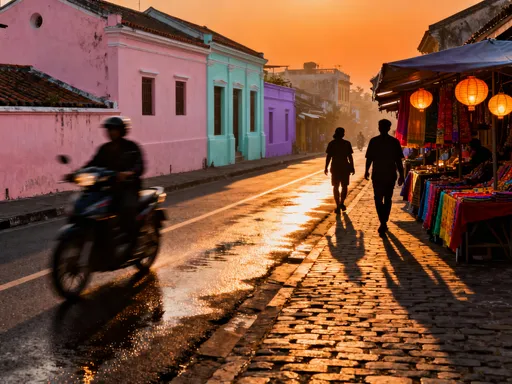
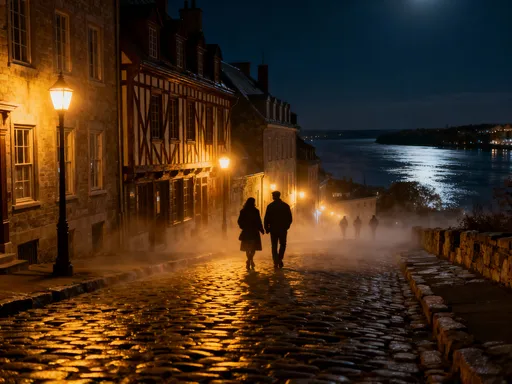
Bratislava greeted me with a quiet elegance I hadn’t anticipated. Arriving from the bustling energy of Vienna, just an hour away by train, I expected a historic city—perhaps a little sleepy, certainly picturesque. I imagined a few medieval lanes, a hilltop castle, and some riverside cafes. What I found instead was a city alive with rhythm: locals sipping coffee on sun-drenched terraces, couples strolling along the Danube promenade, and the distant clang of trams weaving through the compact center. The Old Town, though small, unfolded like a carefully folded map—each turn revealing pastel buildings with ornate facades, quirky public art, and the occasional vine-covered courtyard.
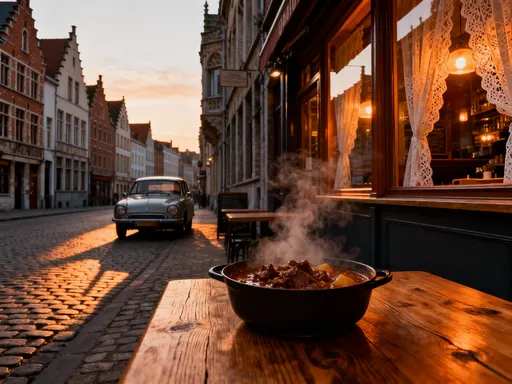
Within hours, I realized Bratislava was not a place to rush through. Its charm lies in its intimacy. The castle perched high above the river offered panoramic views, yes, but the real magic happened at ground level—where bakeries released warm waves of yeast and sugar into the morning air, and the scent of roasting meat drifted from open kitchen doors. My original plan had been to sightsee first, eat later. But the city had other ideas. By midday, I was lured into a modest restaurant by the sight of golden-brown dumplings being plated at the next table. That moment marked the shift: Bratislava was no longer just a destination to see. It was a place to taste, to savor, to experience through the palate.
What surprised me most was how accessible everything felt. Unlike larger European capitals where tourists cluster in designated zones, Bratislava’s neighborhoods blend seamlessly. Locals and visitors share the same sidewalks, cafes, and markets. This closeness made it easy to follow the lead of residents—ordering what they ordered, lingering over long lunches, and learning the unspoken rhythm of daily life. The transition from observer to participant began not with a museum visit, but with a shared table and a plate of something warm, rich, and deeply satisfying.
Why Slovak Cuisine Deserves Your Attention
Slovak cuisine often flies under the radar, overshadowed by its more famous neighbors—Austrian pastries, Hungarian goulash, Polish pierogi. Yet, within its hearty, unpretentious dishes lies a culinary tradition shaped by centuries of resilience, seasonality, and cultural exchange. At its core, Slovak food is about nourishment. It’s designed to sustain through long winters and reward after days of labor in the fields or forests. This is not fine dining in the modern sense, but something more valuable: food made with intention, using ingredients that have fed families for generations.
The foundation of most meals rests on a few humble staples: potatoes, cabbage, pork, sheep cheese, and paprika. These are not just ingredients—they are cultural touchstones. Potatoes appear in dumplings, pancakes, and casseroles. Cabbage, whether fresh, pickled, or fermented, adds tang and texture to soups and stews. Pork, often slow-roasted or smoked, is the centerpiece of Sunday dinners. Bryndza, a soft, tangy sheep cheese, is so beloved it has protected geographical status in the European Union. And paprika—imported long ago from the New World but embraced wholeheartedly—adds warmth and depth to countless dishes.
The flavors of Slovakia reflect its complex history. Situated at the crossroads of Central Europe, the country has been influenced by Hungarian, Austrian, Czech, Polish, and Ukrainian traditions. Centuries under the Austro-Hungarian Empire introduced rich pastries, coffee culture, and meat-heavy dishes. Hungarian influence brought paprika-laced stews and the love of sour cream. Slavic roots contributed fermented foods, dumplings, and dairy-based preparations. The result is a cuisine that feels both familiar and distinct—a blend of comfort and character.
What sets Slovak food apart is its authenticity. There’s little pretense. Meals are not staged for Instagram but served with pride in homes and family-run restaurants. Seasonality governs the menu: spring brings wild garlic and fresh cheeses, summer offers plums and cherries, autumn is marked by mushroom foraging and apple harvests, and winter means preserved foods and warming stews. This deep connection to the land and the calendar makes every bite feel grounded, honest, and deeply satisfying.
Breakfast Like a Local: More Than Just Coffee and Bread
In Bratislava, mornings begin gently. Unlike cities where breakfast is a hurried affair, here it’s treated as a moment of pause—a chance to ease into the day with warmth and flavor. Coffee culture is strong, but it’s not just about the caffeine. It’s about the ritual: sitting at a small table, watching the city wake up, and savoring something substantial before setting out to explore. While a simple roll with butter and jam is common, many locals opt for something heartier—one that bridges the gap between breakfast and lunch.
One of the most popular morning dishes is vyprážaný syr, or fried cheese. Don’t let the simplicity fool you—this is not just cheese breaded and fried. It’s typically served with a side of tartar sauce and a generous portion of potato salad, creating a balance of crispy, creamy, and tangy flavors. The cheese used is often a semi-hard variety that melts slightly inside while maintaining a golden crust. Though it may sound indulgent for breakfast, it’s a beloved staple, especially on weekends when families gather for long, leisurely meals.
Another favorite is the open-faced sandwich, or chlieb s plnidlom. These are not your average toast toppings. Imagine thick slices of fresh rye or wheat bread topped with smoked ham, soft cheese, radishes, hard-boiled eggs, or pickled vegetables. They’re colorful, nutritious, and deeply satisfying—perfect for fueling a day of walking through the city. Some cafes even offer warm versions, with melted cheese or sautéed mushrooms layered on top.
For those with a sweet tooth, Bratislava’s pastry scene is a revelation. Bakeries display rows of flaky croissants, fruit-filled rolls, and honey-drenched layers of phyllo dough. One standout is the makovník, a poppy seed roll that’s moist, nutty, and subtly sweet—often homemade and brought to family gatherings. Pastry shops like Konditorei Aleš and Café Doble are frequented by locals who know quality when they taste it. These are not tourist traps with inflated prices, but neighborhood institutions where the coffee is strong, the service is warm, and the pastries disappear quickly.
Lunchtime Adventures: Hearty Meals That Fuel the Day
If breakfast in Bratislava is comforting, lunch is where the cuisine truly shines. This is the main meal of the day, and it’s treated with reverence. Restaurants fill up around noon, not with tourists, but with office workers, retirees, and families taking a midday break. The atmosphere is relaxed, the portions generous, and the flavors deeply rooted in tradition. This is when you’ll encounter Slovakia’s most iconic dishes—those that define the national palate and leave a lasting impression.
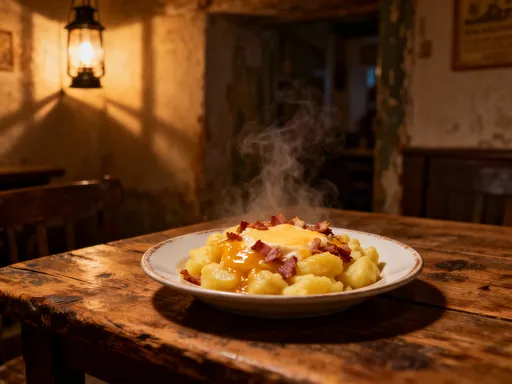
No discussion of Slovak lunch is complete without bryndzové halušky, the country’s unofficial national dish. These are small, soft potato dumplings tossed in a creamy mixture of bryndza cheese and topped with bits of fried bacon. The texture is irresistible—pillowy dumplings coated in a tangy, rich sauce, with a salty crunch from the bacon. It’s a dish that feels indulgent yet wholesome, like something your grandmother would make on a cold afternoon. While variations exist, the best versions use freshly made halušky and high-quality bryndza, which gives the dish its distinctive flavor.
Another winter staple, often served during the colder months, is kapustnica, a sauerkraut soup with a surprising depth of flavor. Made with smoked meats, dried mushrooms, sausage, and sometimes prunes, it’s a complex, smoky, slightly sweet soup that warms you from the inside out. It’s traditionally associated with Christmas Eve, but many restaurants serve it year-round for those seeking comfort in a bowl. Pair it with a slice of dark rye bread, and you have a meal that feels both nourishing and celebratory.
For meat lovers, roasted pork with sauerkraut and dumplings is a classic choice. The pork is slow-cooked until tender, often with caraway and garlic, and served with a mountain of tangy sauerkraut and fluffy potato or bread dumplings. The combination of rich meat, sour cabbage, and soft starch is a hallmark of Central European cuisine, and Bratislava serves it exceptionally well. Many diners also offer daily specials, known as denné menu, which include a soup, main course, and sometimes a small dessert—all at a reasonable price. These set menus are a great way to sample traditional dishes without overspending.
Street Food Gems: Quick Bites With Big Flavor
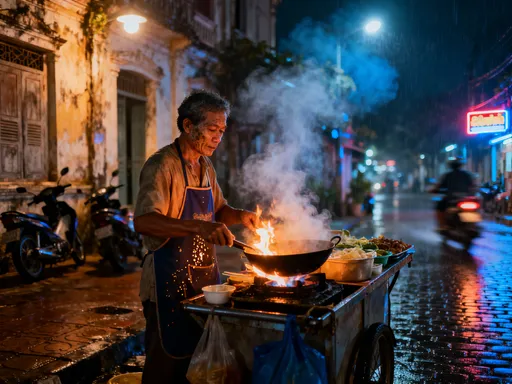
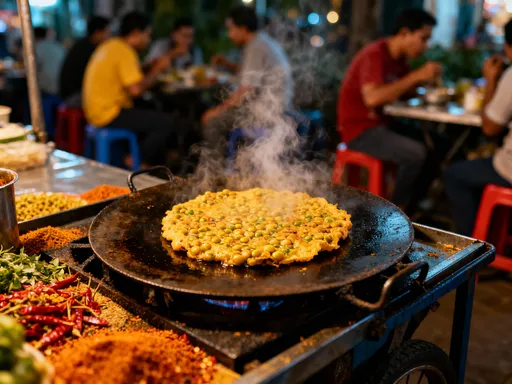
While sit-down meals offer depth and tradition, Bratislava’s street food scene delivers immediacy and joy. It’s here, at market stalls and food trucks, that you can taste the soul of the city in a single bite. Unlike the sanitized food courts of major capitals, Bratislava’s informal dining spots feel alive—sizzling grills, handwritten signs, and the constant hum of conversation. These are places where locals grab a quick bite during a work break or treat themselves after shopping at the market.
One must-try is lokše, a traditional potato pancake that’s especially popular in the western regions of Slovakia. Thin, round, and slightly crisp at the edges, lokše are often served warm and topped with goose fat, sugar, and poppy seeds—a combination that sounds simple but delivers a symphony of flavors. Some vendors offer savory versions with sheep cheese or ham, but the sweet version remains a favorite, particularly in autumn and winter. You’ll find them at seasonal markets, Christmas fairs, and specialty food stands near the Old Town.
Another crowd-pleaser is trdelník, the sweet chimney cake that has become a symbol of Central European street food. While often associated with the Czech Republic, it’s widely enjoyed in Slovakia as well. The dough is wrapped around a metal spit, grilled over an open flame, and then rolled in sugar and crushed nuts. The result is a warm, crispy pastry with a soft, pillowy center—perfect for eating on the go. While some purists argue it’s more tourist fare than authentic Slovak, it’s undeniably delicious and has earned its place in the city’s culinary landscape.
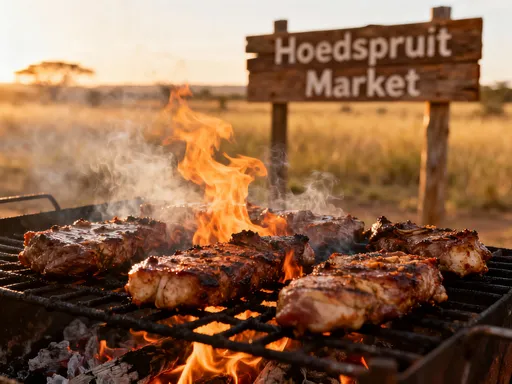
For something savory, grilled sausages are a staple. Often served in a bun with mustard or horseradish, these smoky, juicy links are a favorite among locals and visitors alike. Some stands offer regional varieties, such as the spicy Jelito sausage or the garlic-rich Klobása. Paired with a cold drink and eaten while walking along the river, it’s one of the simplest yet most satisfying experiences in the city. These quick bites may not be part of a formal meal, but they offer an authentic taste of everyday Slovak life—unfussy, flavorful, and deeply satisfying.
Sweet Endings: Slovakia’s Underrated Desserts
In a cuisine known for its heartiness, Slovakia’s desserts offer a delightful contrast—rich, sweet, and often fruit-forward. They are not afterthoughts but essential parts of the meal, especially during family gatherings and holidays. Unlike the overly elaborate desserts of modern patisseries, Slovak sweets are humble, homemade, and deeply comforting. They rely on seasonal fruits, simple techniques, and ingredients that have been stored or preserved with care.
One of the most beloved desserts is ovocné palacinky, fruit-filled crepes. These thin pancakes are rolled around stewed plums, cherries, or apples and dusted with powdered sugar. They’re often served warm, sometimes with a dollop of whipped cream or a spoonful of farmer’s cheese. The combination of tender fruit and delicate pancake is both light and indulgent—a perfect ending to a heavy meal. Plum palacinky, in particular, are a national favorite, especially in late summer when the orchards are full.
Another classic is the jam-filled palačinky, similar to crepes but often slightly thicker. These are spread with homemade jam—rosehip, apricot, or raspberry—and sometimes sprinkled with chopped walnuts or poppy seeds. The jams themselves are noteworthy, often made in the spring and summer when fruits are at their peak. Many families still preserve their own, using copper kettles and generations-old recipes. Eating a palačinka with homemade jam is not just a treat—it’s a taste of tradition.
Cheese-based desserts are also common, reflecting Slovakia’s strong dairy culture. Syrové palacinky, or cheese pancakes, are made with a mixture of farmer’s cheese, eggs, and sugar, then pan-fried until golden. They’re rich and custard-like, often served with fruit compote or sour cream. Another favorite is tvarohové závin, a rolled pastry filled with sweetened cheese and raisins, then baked until golden. These desserts may not be flashy, but they are deeply satisfying—like a warm embrace on a cold day.
Cafés like Café Pod Muralom and Kaviareň Svetozár Krnáč are known for their excellent dessert selection. Here, locals gather in the afternoon for coffee and a small slice of something sweet—a ritual known as poludnáťovanie. It’s not about indulgence; it’s about connection, pause, and pleasure in the simple things.
Beyond the Plate: How Food Connects You to the Culture
What struck me most about Bratislava was not just the taste of the food, but the way it opened doors to people and stories. In a world where travel can feel transactional—tickets, tours, checklists—food became the bridge to something deeper. It led to conversations with waiters who proudly explained their grandmother’s recipe, invitations to share a table with strangers, and moments of unexpected warmth in quiet cafes.
Slovaks take pride in their domáca kuchyňa—home cooking. It’s more than a style of food; it’s a symbol of care, identity, and continuity. When someone serves you a meal in Slovakia, it’s not just about sustenance. It’s an act of hospitality, a way of saying “you are welcome here.” I experienced this firsthand when a vendor at the market insisted I try a sample of her homemade klobása, then smiled as I nodded in approval. Later, a restaurant owner brought an extra plate of halušky to our table “just because tourists always love it.” These gestures weren’t performative—they were genuine, rooted in a culture that values generosity and connection.
Food also became a lens through which I understood Slovak history and values. The emphasis on preservation, seasonality, and simplicity speaks to a past shaped by scarcity and self-reliance. The blending of flavors reflects centuries of coexistence and exchange. And the slow, deliberate pace of meals reminds us that eating is not just fuel—it’s ritual, relationship, and memory.
By the end of my trip, I realized I hadn’t just eaten my way through Bratislava. I had been welcomed into its rhythm, its stories, its heart. The city’s castles and cobblestones are beautiful, yes—but its kitchens hold the true essence of its spirit.
Bratislava taught me that the heart of a city often beats strongest in its kitchens. This journey wasn’t just about tasting new foods—it was about understanding a culture through its most personal offering: a meal made with care. Whether you're wandering the old town or chatting with a vendor at a local market, the flavors of Slovakia welcome you like family. So go ahead—take a bite. You might just fall in love with more than the food.