You Won’t Believe What I Found at Niagara Falls—This Changed Everything
Niagara Falls isn’t just about postcard views and crowded walkways. I went looking for something more—real moments, quiet corners, unforgettable experiences away from the noise. What I discovered was unexpected: secret viewpoints, peaceful trails, and a side of Canada’s most famous natural wonder most tourists never see. This isn’t your average tour route—it’s a personal journey into the wild, authentic heart of Niagara. If you’ve ever wanted to feel the falls instead of just see them, this is for you.
Why Niagara Falls Deserves More Than a Quick Photo Stop
Niagara Falls is one of the most powerful natural landmarks on Earth, drawing over 14 million visitors annually. Spanning the border between Ontario, Canada, and New York, USA, the falls consist of three distinct sections: Horseshoe Falls, American Falls, and Bridal Veil Falls. With a combined flow rate exceeding 75,000 gallons per second, the energy produced here could power a small city. Yet, despite its grandeur, many visitors leave feeling underwhelmed—because they’ve only seen the surface.
The issue lies in how most people experience Niagara: through the lens of mass tourism. Crowded observation decks, souvenir shops lining every block, and loud motorboats circling the base of the falls dominate the scene. The experience becomes transactional—buy a ticket, take a photo, move on. This checklist approach rarely allows space for awe. The roar of the water is drowned out by chatter, camera shutters, and the hum of nearby attractions. What’s lost is the chance to truly connect with one of nature’s most humbling spectacles.
But there is another way. Beyond the commercial zones lies a quieter Niagara—one where the mist rises like morning breath, where birds glide above the churning rapids, and where the rhythm of the falls syncs with your heartbeat. This deeper experience isn’t hidden because it’s inaccessible; it’s overlooked because it requires intention. It asks travelers to slow down, to wander beyond the main paths, and to prioritize presence over photography. When you make that shift, Niagara transforms from a sight to a sensation—a place not just visited, but felt.
Choosing the Right Side: Why the Canadian Side Stands Out
One of the most impactful decisions a traveler can make is choosing which side of the falls to explore. While both the American and Canadian sides offer access, the Canadian side—particularly Niagara Falls, Ontario—provides the most comprehensive and visually rewarding experience. This isn’t just opinion; it’s geometry. Horseshoe Falls, the largest and most dramatic of the three falls, curves primarily into Canadian territory. As a result, the best panoramic views are naturally found on this side.
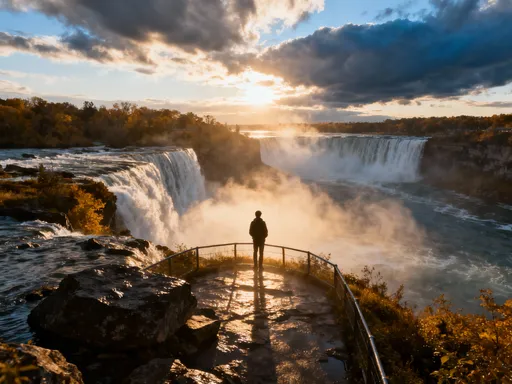
From the Canadian vantage points, visitors can see the full arc of Horseshoe Falls plunging over 165 feet into the Niagara Gorge. The observation decks at Table Rock Welcome Centre position you just meters from the edge, offering an unobstructed, face-to-face encounter with the thundering cascade. Compare this to the American side, where sightlines are more fragmented and the perspective narrower. While the U.S. offers unique experiences like Cave of the Winds, it lacks the sweeping visual dominance that defines the Canadian outlook.
Equally important is the surrounding environment. The Canadian side has managed to balance tourism with natural preservation. Hotels and restaurants are present, but they’re designed to complement the landscape rather than overwhelm it. Many accommodations offer private balconies facing the falls, allowing guests to witness the nightly illumination in solitude. Staying overnight also opens the door to experiencing Niagara after dark, when the crowds thin and the falls are lit in vibrant colors—a serene, almost meditative contrast to the daytime bustle.
For families and travelers seeking comfort without sacrificing authenticity, the Canadian side delivers. Public transit options like the WEGO bus system make navigation easy, reducing the stress of parking and traffic. At the same time, the presence of green spaces, walking trails, and quieter neighborhoods means you can step away from the commercial core whenever you choose. This balance—accessibility paired with the ability to retreat—is what makes the Canadian side not just preferable, but essential for a meaningful visit.
The Hidden Viewpoints Only Locals Know About
While Table Rock and Queen Victoria Park draw the masses, there are quieter places where the power of Niagara reveals itself without the crowd. These hidden viewpoints aren’t secret in the sense of being forbidden or unmarked—they’re simply overlooked by most tourists. Riverbend Park, for instance, sits just north of the main tourist district along the Niagara Parkway. It offers a sweeping view of the upper Niagara River before it reaches the brink of the falls. Here, the water moves swiftly but smoothly, reflecting the sky like polished glass in the early morning light.
What makes Riverbend special is its tranquility. Benches line the stone wall, inviting stillness. Birdwatchers often spot herons and kingfishers along the banks, while cyclists and joggers pass quietly on the adjacent trail. Unlike the packed observation decks, this spot allows for conversation, contemplation, and uninterrupted photography. Arriving at sunrise transforms the experience entirely—the mist glows gold, the air is crisp, and the sound of the falls is a distant rumble rather than an assault. It’s a reminder that Niagara isn’t just about the plunge, but about the entire river’s journey.
Another lesser-known gem is the QEW overlook, located just west of the falls along the Queen Elizabeth Way. Easily missed by those rushing to the main attractions, this pull-off offers a dramatic aerial perspective. From here, you can see the full sweep of Horseshoe Falls, the swirling currents of the Niagara Pool, and the beginning of the Niagara Gorge. It’s especially stunning at sunset, when the western light catches the mist and turns it into a shimmering veil. Because it’s not marketed as a tourist stop, few stop here—making it a rare place to witness Niagara’s scale without competition for space.
For those willing to explore further, the Old Fort Erie area provides a historical and scenic detour. While the fort itself is a well-known landmark, the riverfront path behind it offers quiet access to the lower Niagara River. The current here is fierce, carving through rock with relentless energy. Standing at the railing, you can feel the vibration in your feet—a subtle but powerful reminder of the forces at work. These off-the-radar spots don’t require special permits or hiking gear; they only require curiosity and a willingness to drive a few minutes beyond the main strip.
Beyond the Maid of the Mist: Unique Activities That Deliver Real Impact
No visit to Niagara is complete without getting close to the water, but the most memorable moments often come from experiences that go beyond the standard boat tour. The Hornblower Niagara Cruise—the Canadian equivalent of the Maid of the Mist—is a must, but it’s not just about putting on a poncho and riding a boat. It’s about standing on the deck as the vessel approaches the base of Horseshoe Falls, feeling the spray soak through your clothes, and hearing the roar build until it consumes all other sound. In that moment, you’re not observing nature—you’re inside it.
Equally powerful is Journey Behind the Falls, an attraction that allows visitors to walk through tunnels carved into the bedrock and emerge onto observation decks just meters from the cascading water. The path descends 125 feet via elevator, then leads through a series of dimly lit passageways. When you step out onto the open-air platform, the force is overwhelming. Water crashes down with such velocity that the air trembles. The smell of wet stone, the cool mist on your skin, the deep vibration in your chest—these sensory details imprint the experience far more than any photograph ever could.
For those crossing into the U.S., Cave of the Winds offers a similarly immersive adventure. Starting with a short elevator ride down into the Niagara Gorge, the tour guides visitors along wooden walkways that bring them within feet of Bridal Veil Falls. The final stop, “Hurricane Deck,” places you directly in the path of the falling water’s spray. It’s not just wet—it’s exhilarating. The wind whips around you, the noise is deafening, and the sheer volume of water is impossible to comprehend until you’re standing in it.
These experiences stand apart from passive sightseeing because they engage the body as well as the eyes. They demand presence. You can’t check your phone or chat easily—you’re too busy feeling. And that’s the point. When travel becomes multisensory, it becomes memorable. These aren’t just attractions; they’re thresholds between the ordinary and the extraordinary. They remind us that nature doesn’t exist for our convenience—it invites us, humbles us, and sometimes drenches us, all in the same breath.
Walking the Niagara Parkway: Where Nature Meets Serenity
If there’s one way to truly understand Niagara, it’s by walking the Niagara Parkway—a 55-kilometer scenic trail that follows the river from Fort Erie to Niagara-on-the-Lake. Often called “the world’s most beautiful parkway,” this ribbon of green space offers a slower, more intimate way to experience the region. Unlike the hurried pace of the tourist centers, the parkway encourages contemplation. It’s where families bike on weekends, where couples stroll at sunset, and where solo travelers find space to breathe.
The trail passes through a mosaic of ecosystems. In spring, cherry blossoms line the path near Dufferin Islands, their delicate pink flowers contrasting with the dark evergreens. In summer, monarch butterflies flutter above wildflower meadows, while great blue herons stalk the shallows. Autumn brings a blaze of color—maple, oak, and hickory trees turning fiery red and gold. Even in winter, the parkway has its own stark beauty, with frost-covered branches and the occasional glimpse of bald eagles soaring above the river.
What makes the Niagara Parkway so special is its continuity. You can start at the falls and walk for hours without encountering a single traffic light. The path connects parks, historic sites, and quiet neighborhoods, creating a seamless journey through both nature and culture. Sections like the Butterfly Garden and the Arboretum offer educational insights, with signage explaining native plant species and conservation efforts. Yet the tone remains accessible—there’s no pressure to memorize names or dates. Instead, the focus is on observation, on noticing how the light shifts on the water, how the wind carries the scent of pine, how the sound of the falls fades and returns like a heartbeat.
For many visitors, this slow travel is the most transformative part of the trip. It allows time for reflection, for conversation, for unplugging. It also reveals details that fast tourism misses—a turtle sunning on a rock, a fish jumping in the current, a family of deer drinking at dusk. These quiet moments don’t make it onto postcards, but they often become the ones travelers remember most. The parkway doesn’t just show you Niagara—it lets you live in it, even if just for a few hours.
When to Go and How to Avoid the Crowds
Timing can make or break a Niagara experience. Summer months—June through August—draw the largest crowds, with schools on break and families taking vacations. During this period, parking is scarce, lines are long, and popular attractions can feel overwhelming. While the weather is warm and the foliage lush, the trade-off is a loss of peace. Similarly, major holidays like Thanksgiving weekend or Victoria Day can bring sudden surges in visitors, turning quiet trails into congested pathways.
For a more serene experience, late spring (May to early June) and early fall (September to mid-October) offer the ideal balance. Temperatures are mild, ranging from 15°C to 24°C (59°F to 75°F), and the natural scenery is at its peak. In May, the trees are fully leafed out, and the river runs high from spring runoff, making the falls especially powerful. In September and October, the autumn colors enhance the landscape, and the air carries a crisp clarity that sharpens every view.
Within the day, timing matters just as much as season. Arriving early—between 7:00 and 8:30 a.m.—can dramatically improve your experience. By 9:00 a.m., tour buses begin arriving, and the main viewpoints fill quickly. But in the early hours, you’ll often have the observation decks to yourself. The light is soft, the mist glows in the rising sun, and the sound of the falls feels more intimate. Weekdays are consistently less crowded than weekends, making Tuesday through Thursday the best choices for a relaxed visit.
Another strategy is to reverse the typical itinerary. Most visitors start at Table Rock and move outward. Instead, begin at the quieter northern end of the Niagara Parkway and walk south toward the falls. This way, you experience the buildup rather than the climax first, allowing anticipation to grow. You’ll also encounter fewer people, as most are moving in the opposite direction. Combining off-peak timing with strategic routing transforms Niagara from a crowded spectacle into a personal pilgrimage.
Putting It All Together: Crafting Your Own Meaningful Niagara Experience
A truly unforgettable visit to Niagara Falls isn’t about checking off attractions—it’s about creating space for wonder. By combining hidden viewpoints, immersive activities, and thoughtful timing, travelers can craft an experience that feels authentic and deeply personal. Start by staying on the Canadian side, where panoramic views and comfortable accommodations set the stage for relaxation. Use the early morning hours to explore Riverbend Park or the QEW overlook, capturing the falls in solitude. Then, engage with the water through Journey Behind the Falls or the Hornblower Cruise, allowing the sensory impact to anchor your memory.
Afternoon is perfect for the Niagara Parkway. Walk or rent a bike and let the rhythm of the river guide you. Stop often. Breathe. Notice the details—the way the light dances on the water, the sound of leaves rustling, the distant cry of a hawk. Let go of schedules and let the landscape speak. If you have time, extend your trip to Niagara-on-the-Lake, a charming town known for its wineries and 19th-century architecture. It offers a gentle contrast to the raw power of the falls, reminding us that beauty exists in both force and stillness.
The goal isn’t to see everything, but to experience a few things deeply. It’s about trading quantity for quality, noise for presence, and spectacle for connection. When you approach Niagara this way, it stops being just a destination and becomes a moment of reflection. It reminds us of nature’s enduring power, of our smallness within the grand design, and of the peace that comes from stepping away from the rush of daily life.
In a world that moves faster every year, places like Niagara Falls offer something rare: a chance to slow down and feel awe. They invite us to put away our phones, to stand still, and to let the roar fill our senses. They remind us that wonder isn’t found in perfection, but in presence. So the next time you plan a trip, don’t just visit Niagara—discover it. Let it surprise you. Let it change you. Because sometimes, the most extraordinary experiences are waiting just beyond the crowd, in the quiet moments no one else stops to see.